Helpful pet care ideas • Honest product guides • Happy, healthy pets

PetCare World

A happier world for every pet
Welcome to PetCare World

Care better.
Love them more.

Simple, useful guides for caring for dogs, cats, birds, fish and small pets — plus thoughtful product comparisons to help you choose with confidence.

Explore pet guides
🐶 🐱
🐾 🐰

Explore by pet

Find advice for your favourite companion

🐶 Dogs🐱 Cats🦜 Birds🐠 Fish🐰 Small Pets⭐ Product Reviews
Affiliate disclosure: Some links on this website may be affiliate links. If you buy through them, we may earn a commission at no extra cost to you. We only aim to recommend products relevant to pet owners.

Latest pet care articles

Practical tips and product insights

Best Fish Food 2026: 10 Best Brands & Complete Buying Guide

Best Fish Food 2026: colorful tropical fish eating flakes in a planted aquarium

Feeding your fish seems simple — sprinkle some flakes, done. But the food you choose decides whether your fish stay colorful, active, and healthy, or slowly fade, bloat, and foul the water. More fish are harmed by too much food than by the wrong brand, so the first rule of fish food is always: feed little, feed often, and remove what is not eaten in 2–3 minutes.

This guide covers the 10 best fish foods of 2026 for tropical freshwater tanks — the brands reviewers and aquarists keep recommending — plus how to pick the right format for the fish you actually keep.

New to fishkeeping? Start with our Fish Care 101: A Complete Beginner's Guide to Caring for Your Fish before you buy anything.

As an Amazon Associate I earn from qualifying purchases.

How to Choose the Right Fish Food

  1. Feed by level, not by brand. Top feeders (guppies, bettas, hatchetfish) need floating flakes. Mid-water fish (tetras, rasboras, barbs) do best on slow-sinking micro pellets. Bottom feeders (corydoras, loaches, plecos) need sinking wafers — flakes that never reach them are not food, they are pollution.
  2. Check the protein and the first ingredient. A good staple lists a real protein first — whole fish, fish meal, krill, or insect larvae — and carries at least 35–45% crude protein. Grain-heavy foods with wheat or corn first are filler.
  3. Look for stabilized vitamin C. It protects fish from deficiency diseases and shows the maker cares about nutrition, not just shelf life.
  4. Buy the smallest jar. Opened fish food loses its vitamins within 2–3 months. A big tub that goes stale is worse than a small fresh jar.
  5. One staple is not enough. The best-fed tanks rotate: a daily staple flake or pellet, a sinking wafer for the bottom, and a frozen or freeze-dried treat once or twice a week.

Flakes vs Pellets vs Wafers vs Frozen Food

FormatBest ForProsCons
FlakesTop and mid-water community fishEasy to crush, spread across the surface, cheapBreak apart, can cloud water if overfed
Micro PelletsSmall-mouthed fish (tetras, rasboras)Precise portions, sink slowly, less wasteFish used to flakes may need time to adjust
Sinking WafersBottom feeders (corydoras, loaches, plecos)Reach the bottom intact, hold togetherUseless for top feeders
Frozen / Freeze-DriedWeekly treats (bloodworms, brine shrimp)High protein, fish love themNot a complete daily diet, cost more per gram

The 10 Best Fish Foods of 2026

  1. TetraMin Tropical Flakes — Best Budget Staple ($): The classic flake food, refined for over 60 years. A complete daily diet for top and mid-water tropical fish, with at least 46% crude protein and a ProCare formula with omega-3s and prebiotics for digestion. Sold in many jar sizes almost everywhere. Best for: beginners and mixed community tanks.
  2. Fluval Bug Bites Tropical Formula — Best Overall Community Food ($$): Insect-based protein from black soldier fly larvae (up to 40% of the recipe) — the closest thing to what many tropical fish eat in the wild. Available as flakes and small slow-sinking granules. Best for: omnivores, mixed community tanks, and keepers who want variety.
  3. Hikari Tropical Micro Pellets — Best for Small Fish ($$): Tiny semi-floating pellets sized for small mouths — neon tetras, ember tetras, chili rasboras, small guppies. Fish meal and krill meal lead the label, with spirulina and astaxanthin for color. A micro coating limits nutrient loss in the water. Best for: small schooling fish.
  4. New Life Spectrum Community Pellets — Best Premium Daily Pellet ($$$): A loyal favorite among experienced keepers. Built around a broad mix of proteins, algae, and nutrients, with 37% protein in the regular pellets. Sinking 1–1.5 mm pellets that mixed tropical fish eat cleanly. Also available as Naturox Optimum flakes. Best for: keepers who want one premium staple.
  5. Omega One Freshwater Flakes — Best Color Support ($$): Whole Alaskan salmon is the first ingredient — an unusually premium protein for a flake at this price — with herring, halibut, cod, whole shrimp, and kelp. Naturally high in omega-3s and low in starch. Best for: picky eaters and color-focused keepers.
  6. Aqueon Tropical Flakes — Best Budget Alternative ($): A practical budget flake for common tropical community fish. Easy to portion and crush, widely available, and a straightforward complete staple. Best for: budget tanks and as a second flake to rotate with a premium one.
  7. Hikari Micro Wafers — Best for Small Midwater Fish ($$): Small, compact, slow-sinking wafers for tropical fish that prefer a bite that stays in the water column instead of floating away. Best for: small midwater fish, and tanks where flakes get sucked into the filter too fast.
  8. Hikari Sinking Wafers — Best for Bottom Feeders ($): Fast-sinking wafers that hold together long enough for corydoras and loaches to find them. 36% protein. Best for: corydoras, loaches, and any bottom-feeding community fish.
  9. Tetra PlecoWafers — Best for Plecos and Algae Eaters ($): Sinking wafers made for plecos and other algae eaters, fed at the bottom — ideally late in the day when plecos are most active. Best for: plecos, otocinclus, and algae-eating bottom dwellers.
  10. Hikari Bio-Pure Freeze-Dried Bloodworms — Best Treat ($$$): Freeze-dried bloodworms at 55% protein — a high-protein treat most insect-eating and omnivorous fish go wild for. Feed once or twice a week only; they are a supplement, never a daily staple. Best for: variety, conditioning, and tempting picky eaters.

Brand Comparison at a Glance

BrandFormatBest ForPrice Tier
TetraMin Tropical FlakesFlakesBudget staple, community tanks$
Fluval Bug Bites TropicalFlakes / GranulesBest overall community food$$
Hikari Tropical Micro PelletsMicro pelletsSmall-mouthed fish$$
New Life Spectrum CommunityPellets / FlakesPremium daily staple$$$
Omega One Freshwater FlakesFlakesColor support, whole-fish ingredients$$
Aqueon Tropical FlakesFlakesBudget alternative$
Hikari Micro WafersMicro wafersSmall midwater fish$$
Hikari Sinking WafersSinking wafersCorydoras, loaches$
Tetra PlecoWafersSinking wafersPlecos, algae eaters$
Hikari Bio-Pure BloodwormsFreeze-driedWeekly treat only$$$

How Much and How Often to Feed

  • Feed once or twice a day, only as much as your fish finish in 2–3 minutes.
  • Skip one day a week — a fasting day is healthy for most tropical fish and keeps the water cleaner.
  • Soak freeze-dried foods in a little tank water for a minute before feeding so they do not expand in your fish's stomach.
  • Store food in a cool, dry place with the lid tight, and replace opened jars every 2–3 months.

Foods to NEVER Feed Your Fish

Bread, crackers, and human snacks (they swell and foul the water), raw meat, citrus fruits, and any food with garlic or onion. Stick to foods made for aquarium fish — their digestive systems are not built for our leftovers.

FAQ

Flakes or pellets — which is better? Neither is universally better. Flakes are easy to crush and spread; pellets give precise portions and target different depths. Most healthy tanks use both.

How long does fish food stay fresh? About 2–3 months after opening. Buy small jars and keep them sealed, cool, and dry.

Can I feed only bloodworms? No. Bloodworms are a treat, not a complete diet. Your fish need a balanced staple every day.

My fish ignore the food — what is wrong? Check the water first (ammonia, temperature), then try a different format — a flake-only fish may take a slow-sinking pellet, and new fish often need a few days to settle in.

Want the full beginner setup — tank size, water, cycling, and stocking? Read our Fish Care 101 guide.

Disclaimer

This guide is for general information only and is not veterinary advice. Always check the label of any fish food, and consult an aquatic veterinarian if your fish show signs of illness.

Affiliate Disclosure

PetCare World is a participant in affiliate programs. Some links in this post may earn us a small commission at no extra cost to you, which helps us keep creating free pet care guides. As an Amazon Associate, we earn from qualifying purchases.

Best Bird Food 2026: 10 Best Brands & Complete Buying Guide

Best Bird Food 2026: colorful parrot eating seed mix from a bowl

Feeding your bird well is the single biggest factor in how long and how happily it lives. A good diet keeps feathers bright, bones strong, and energy high — while an all-seed diet can quietly cause vitamin A deficiency, weak bones, and obesity. In this guide, we compare the 10 best bird food brands of 2026, explain pellets vs seed mixes, and show you how to feed parrots, budgies, cockatiels, and other pet birds. If you are new to bird care, start with our Bird Care 101: A Complete Beginner's Guide to Caring for Your Bird first.

As an Amazon Associate I earn from qualifying purchases.

Pellets vs Seed Mixes: Which Is Better?

FeaturePelletsSeed Mixes
NutritionComplete and balanced in every bite — vitamins, minerals, and protein includedOften missing vitamin A, calcium, and amino acids; birds pick out favourites and leave the rest
FatControlled fat levelsOften high in fat (especially sunflower seeds), which can cause obesity
WasteVery little waste — birds eat the whole pelletLots of husks and discarded seeds to clean up
AcceptanceSome birds refuse pellets at first and need a slow switchAlmost every bird loves seeds — easy to serve
CostUsually more expensive per bagUsually cheaper per bag
Best forDaily staple diet (60–80% of food, per avian vets)Training treats, foraging fun, and a small part of the daily diet

Avian veterinarians recommend pellets as the daily staple — about 60–80% of the diet — with fresh vegetables, a little fruit, and a small amount of seed as enrichment. Seeds alone are not a complete diet, no matter how colourful the bag looks.

The 10 Best Bird Food Brands of 2026

1. Harrison's Adult Lifetime — Best Overall

The only USDA-certified organic bird pellet, and the brand most avian vets recommend first. A complete maintenance formula for healthy adult small-to-medium birds. Price: $$$

2. Roudybush Daily Maintenance — Best Value Pellet

Developed by a UC Davis avian nutritionist and refined through decades of feeding trials. The same vet-level quality as Harrison's at a lower price. Price: $$

3. ZuPreem Natural — Best Widely Available

The pellet most owners meet first — stocked everywhere, no artificial colours, and the widest species range on the market, from budgies to macaws. Price: $$

4. Lafeber Nutri-Berries — Best for Picky Eaters

A pellet-seed hybrid that most seed-addicted birds will actually try. The best bridge food for switching a stubborn bird onto pellets. Price: $$

5. Harrison's High Potency — Best for Converting Seed-Eaters

A higher-protein organic formula for birds switching from seeds, breeding birds, and birds recovering from illness. Price: $$$

6. TOP's Parrot Food — Best Organic Value

Certified organic pellets with no corn, soy, or peanuts, at a lower price than Harrison's. A great choice for owners who want organic without the premium cost. Price: $$$

7. Kaytee Forti-Diet Pro Health — Best Fortified Seed Blend

A fortified seed mix with added vitamins and minerals, sized for conures and lovebirds. A better seed option when your bird still needs seeds in its diet. Price: $

8. Lafeber Premium Daily Diet Parakeet — Best for Budgies & Parakeets

Pellets sized and formulated specifically for parakeets — small enough for tiny beaks, with the nutrition small birds need. Price: $$

9. Mazuri Small Bird Diet — Best Zoo-Grade Small Bird Food

A zoo-trusted formula for cockatiels, conures, and other small-to-medium birds. Consistent quality and a strong nutritional profile. Price: $$

10. Volkman Avian Science Super — Best Species-Specific

Species-specific formulas from finches to large parrots, built around what each bird actually eats in the wild. Price: $$

Brand Comparison at a Glance

BrandBest ForTypePrice
Harrison's Adult LifetimeOverall, adult birdsOrganic pellet$$$
Roudybush Daily MaintenanceValue pelletPellet$$
ZuPreem NaturalWidely availablePellet$$
Lafeber Nutri-BerriesPicky eatersPellet-seed hybrid$$
Harrison's High PotencyConverting seed-eatersOrganic pellet$$$
TOP's Parrot FoodOrganic valueOrganic pellet$$$
Kaytee Forti-Diet Pro HealthFortified seed blendSeed mix$
Lafeber Parakeet PelletsBudgies & parakeetsSmall pellet$$
Mazuri Small Bird DietZoo-grade small birdsPellet$$
Volkman Avian ScienceSpecies-specificPellet / seed$$

Feeding by Bird Size: One Size Does Not Fit All

  • Small birds (budgies, parakeets, canaries, finches): need tiny pellets or fine seed pieces — Harrison's Fine, Roudybush Nibbles, or Lafeber Parakeet pellets.
  • Medium birds (cockatiels, conures, lovebirds, quakers): do well on mini or medium pellets — Roudybush Mini, ZuPreem Medium, or Harrison's Fine.
  • Large parrots (African greys, Amazons, cockatoos, macaws): need larger pellets with more calories — Harrison's Coarse, Roudybush Large, or ZuPreem Large.
  • Fresh food every day: offer chopped vegetables (carrots, broccoli, leafy greens) daily, a little fruit a few times a week, and clean water changed daily.
  • Foods to NEVER feed birds: avocado, chocolate, caffeine, alcohol, onion, garlic, and fruit pits/seeds (apple seeds contain cyanide).

For the full beginner's routine — cage setup, daily care, and vet visits — see our Bird Care 101 guide.

How to Switch Your Bird from Seeds to Pellets

  1. Go slowly: a sudden switch can make a bird stop eating — change over 2–4 weeks, not overnight.
  2. Mix at first: start with 75% seeds and 25% pellets, then shift the ratio every few days toward pellets.
  3. Make pellets fun: offer them in a foraging toy, or moisten them slightly so they feel like familiar food.
  4. Use a bridge food: Nutri-Berries or a pellet-seed mix helps stubborn birds try the new taste.
  5. Watch the droppings: if your bird eats nothing for 24 hours, go back a step — small birds can get sick fast without food.
  6. Be patient: some birds take weeks to accept pellets. Stay consistent and keep offering them daily.
  7. Ask your vet: if your bird refuses everything, an avian vet can help with a safe conversion plan.

Frequently Asked Questions

What is the best bird food brand in 2026?
For most pet birds, Harrison's Adult Lifetime is the vet-recommended gold standard, with Roudybush Daily Maintenance as the best-value alternative. ZuPreem Natural is the easiest to find in stores.

Can my bird live on seeds alone?
No. An all-seed diet is missing at least 32 nutrients and commonly causes vitamin A deficiency, weak bones, and obesity. Seeds should be a small treat, not the main diet.

How much should I feed my bird each day?
Offer pellets freely throughout the day, plus a tablespoon or two of fresh vegetables, and remove uneaten fresh food after a few hours. The exact amount depends on your bird's species and size — your vet can confirm.

Are coloured pellets bad for birds?
Some birds are sensitive to artificial colours and flavours. Natural, dye-free pellets (like ZuPreem Natural or Harrison's) are the safer choice, especially for picky or sensitive birds.

What fresh foods can birds eat?
Safe options include carrots, broccoli, sweet potato, leafy greens, apples (no seeds), berries, and cooked grains. Always wash produce and remove uneaten fresh food the same day.

Disclaimer

This article is for general information only and is not a substitute for veterinary advice. Every bird is different — always consult an avian veterinarian before changing your bird's diet, especially if your bird is sick, breeding, or moulting.

Affiliate Disclosure

Some links on this website may be affiliate links. If you buy through them, we may earn a commission at no extra cost to you. We only aim to recommend products relevant to pet owners.

Best Dog Food 2026: 10 Best Brands & Complete Buying Guide

Best Dog Food 2026: happy dog with a bowl of kibble

Choosing the right dog food is one of the most important decisions you will make for your best friend. The right food supports healthy growth, a shiny coat, strong bones, good digestion, and a long, happy life — while the wrong food can cause allergies, weight gain, and tummy troubles. In this guide, we compare the 10 best dog food brands of 2026, explain dry food vs wet food, and show you how to pick the right food for puppies and adult dogs. If you are new to dog care, start with our Dog Care 101: A Complete Beginner's Guide to Caring for Your Dog first.

As an Amazon Associate I earn from qualifying purchases.

Dry Food vs Wet Food: Which Is Better?

FeatureDry Food (Kibble)Wet Food (Canned)
ConvenienceEasy to store and measure; can be left out longerNeeds refrigeration after opening; messier to serve
CostUsually cheaper per mealUsually more expensive per meal
Dental healthCrunchy texture may help reduce tartarSoft texture does not clean teeth
HydrationLow moisture (around 10%); dog must drink waterHigh moisture (around 75%); helps dogs that drink little
TasteMany dogs enjoy it, but picky eaters may refuseStrong smell and soft texture; most dogs love it
Best forEveryday feeding, budget-friendly, dental supportPicky eaters, senior dogs, dogs needing extra water

Many owners mix both: kibble as the daily base with a spoonful of wet food on top. That combination gives the benefits of both — and most dogs find it delicious.

The 10 Best Dog Food Brands of 2026

1. Purina Pro Plan Complete Essentials — Best Overall

Veterinarian-recommended and backed by feeding trials, with real meat as the first ingredient and added probiotics for digestion. A safe, science-backed choice for most adult dogs. Price: $$

2. Hill's Science Diet Adult — Best Vet-Recommended

Formulated by veterinary nutritionists with precise, life-stage nutrition. A trusted mainstream choice, especially for dogs with sensitive stomachs. Price: $$

3. Royal Canin Size Health Nutrition — Best for Breed & Size

Tailored formulas for small, medium, large, and giant breeds, with kibble shapes designed for each jaw size. Price: $$$

4. Blue Buffalo Life Protection — Best Natural Formula

Real meat first, plus antioxidant-rich LifeSource Bits, with no corn, wheat, soy, or poultry by-product meals. Price: $$

5. Taste of the Wild High Prairie — Best Grain-Free

Roasted bison and venison with sweet potatoes, plus probiotics and omega fatty acids for skin and coat health. Price: $$

6. Orijen Original — Best High-Protein

Biologically appropriate recipe with a very high share of animal ingredients. Premium quality for active dogs — and a premium price. Price: $$$

7. ACANA — Best Premium Value

High meat content from regional ingredients, at a slightly lower price than Orijen. A strong choice if you want premium nutrition without the top-tier cost. Price: $$$

8. Merrick Grain-Free — Best for Taste

Real deboned meat first with grain-free recipes dogs love. Good protein levels and a wide range of flavours. Price: $$

9. Iams ProActive Health — Best Budget Buy

Solid nutrition at an affordable price, with chicken as the first ingredient. The best value option for owners who want quality without overspending. Price: $

10. The Honest Kitchen — Best Human-Grade

Human-grade ingredients in dehydrated whole-food recipes. The most "real food" option on this list, ideal for owners who want maximum transparency. Price: $$$

Brand Comparison at a Glance

BrandBest ForKey FeaturePrice
Purina Pro PlanOverall, adult dogsProbiotics, real meat first$$
Hill's Science DietVet-recommendedLife-stage nutrition, feeding trials$$
Royal CaninBreed & size specificTailored kibble & nutrients$$$
Blue BuffaloNatural formulaReal meat, antioxidant bits$$
Taste of the WildGrain-freeBison & venison, probiotics$$
OrijenHigh proteinVery high meat content$$$
ACANAPremium valueRegional ingredients, high meat$$$
MerrickTasteDeboned meat first, many flavours$$
IamsBudgetGood nutrition, low cost$
The Honest KitchenHuman-gradeWhole-food, dehydrated recipes$$$

Puppy Food vs Adult Food: What Is the Difference?

Puppies and adult dogs do not need the same food. Puppy formulas contain more calories, protein, and calcium to support fast growth, plus DHA for brain and eye development. Adult formulas have balanced calories to maintain a healthy weight.

  • Puppies (up to 12 months; up to 18–24 months for large breeds): feed a puppy-specific formula, 3–4 small meals a day.
  • Adult dogs (1–7 years): feed an adult maintenance formula, 1–2 meals a day.
  • Senior dogs (7+ years): look for senior formulas with joint support and fewer calories.
  • Switching: change foods gradually over 7–10 days — mix a little new food into the old food, increasing the share daily, so your dog's stomach can adjust.

For the full beginner's routine — feeding schedules, grooming, exercise, and vet visits — see our Dog Care 101 guide.

How to Choose the Right Dog Food

  1. Check the AAFCO statement: the label should say the food is "complete and balanced" for your dog's life stage.
  2. Read the first ingredients: a named meat (chicken, beef, salmon) should come first, not "meat by-products" or fillers.
  3. Match the life stage: puppy, adult, or senior — never feed adult food to a growing puppy.
  4. Consider your dog's size: small breeds need small kibble and more calories per kilo; large breeds need joint support and controlled calcium.
  5. Watch for sensitivities: itchy skin or loose stools may mean a food allergy — try a limited-ingredient or sensitive-stomach formula and ask your vet.
  6. Ignore the marketing: "premium" and "natural" on the bag are not regulated terms — the ingredient list and the AAFCO statement matter more.
  7. Transition slowly: any food change should take 7–10 days to avoid stomach upset.

Frequently Asked Questions

What is the best dog food brand in 2026?
For most dogs, the vet-recommended trio — Purina Pro Plan, Hill's Science Diet, and Royal Canin — is the safest starting point, because these brands invest heavily in nutritional research and feeding trials.

Is grain-free dog food better?
Not necessarily. Grain-free helps dogs with a genuine grain allergy, but most dogs digest grains fine. The FDA has investigated a possible link between some grain-free diets and heart disease, so ask your vet before going grain-free.

How much should I feed my dog?
Follow the feeding guide on the bag for your dog's weight, then adjust by body condition — you should be able to feel the ribs easily but not see them. Treats should be under 10% of daily calories.

Can I mix wet and dry food?
Yes. Mixing is safe and popular — kibble for the base, wet food for taste and moisture. Just keep the total daily amount the same so your dog does not gain weight.

When should I switch from puppy to adult food?
Most dogs switch at 12 months; large and giant breeds at 18–24 months. Your vet can confirm the right time for your dog's breed and size.

Disclaimer

This article is for general information only and is not a substitute for veterinary advice. Every dog is different — always consult your veterinarian before changing your dog's diet, especially if your dog has allergies, a medical condition, or is pregnant.

Affiliate Disclosure

Some links on this website may be affiliate links. If you buy through them, we may earn a commission at no extra cost to you. We only aim to recommend products relevant to pet owners.

Best Cat Food 2026: Buying Guide for Every Cat Owner

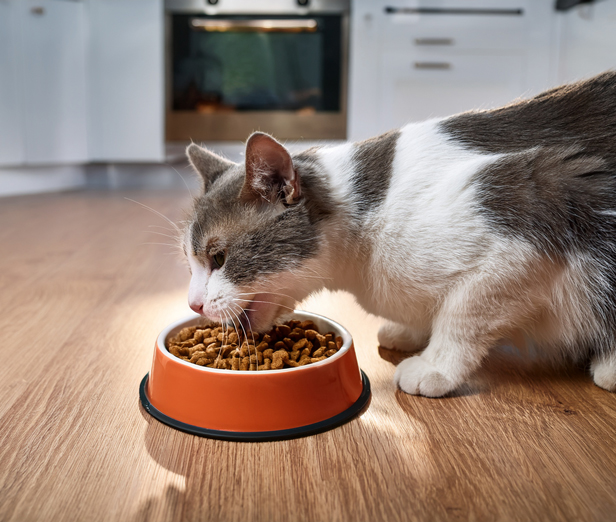
Best Cat Food 2026: healthy cat food in a bowl

Choosing cat food should be simple — but walk into any pet store and you will find hundreds of bags and cans, all claiming to be the best. Grain-free, high-protein, vet-recommended, natural, raw — how do you know what your cat actually needs?


This guide cuts through the marketing. It explains how to read a label, compares wet, dry, and raw food, and reviews 8 top cat food brands for 2026 — so you can choose with confidence, whatever your budget.


Read also: Cat Care 101: A Complete Beginner's Guide to Caring for Your Cat — the full beginner's guide to food, housing, grooming, and health.

As an Amazon Associate I earn from qualifying purchases.


How to Choose Cat Food


Cats are obligate carnivores. Unlike dogs, they must eat animal protein to survive — their bodies cannot make taurine, arachidonic acid, or vitamin A from plant sources. That is why the label matters more than the marketing.


Before the brand list, here is how to judge any cat food:


- AAFCO statement: Look for "complete and balanced" on the label, with an AAFCO nutritional adequacy statement. Foods backed by feeding trials (not just formulation) are the gold standard.

- Life stage: The food should match your cat — kitten, adult, or senior. "All life stages" foods are fine, but a life-stage formula is more precise.

- Named protein first: The first ingredient should be a named animal protein — chicken, salmon, turkey, or lamb — not corn, wheat, or "meat by-products" as the main protein.

- Protein level: Most healthy adult cats do well on foods with 30-45% protein on a dry-matter basis. Kittens need more; seniors need high-quality protein in controlled amounts.

- Moisture: Wet food is about 70-80% water and helps cats stay hydrated. Many cats do not drink enough water on their own.

- No fillers and dyes: Avoid foods that rely on corn, wheat, or soy as the main ingredients, and skip artificial colors — your cat does not care what color its food is.


Wet vs Dry vs Raw — Which Is Best?


TypeProsConsBest For
Wet foodHigh moisture, helps hydration, usually more appealing to catsMore expensive per calorie, spoils once opened, needs refrigerationCats that drink little water, picky eaters, seniors
Dry foodConvenient, cheaper per calorie, easy to store and measureLow moisture, some cats overeat itBusy owners, free-feeding, multi-cat homes
Raw foodHigh protein, minimally processedBacterial risk, hard to balance without vet guidance, expensiveOwners working with a vet nutritionist


Most vets recommend a mix: wet food daily for hydration, plus a measured amount of dry food. Raw feeding can work, but only with a veterinary nutritionist's guidance — an unbalanced raw diet can cause serious deficiencies.


The 8 Best Cat Foods of 2026


1. Purina Pro Plan Complete Essentials Chicken & Rice — Best Overall


The vet-recommended gold standard for adult cats.


- Best for: Almost every healthy adult cat.

- What it is: A chicken-and-rice dry food, backed by feeding trials and decades of veterinary use, with high protein (38-45% dry matter).

- Pros: Excellent value-to-nutrition ratio; widely available; strong independent lab results; cats usually love the taste.

- Cons: Premium price per bag; some formulas contain corn gluten meal, which some owners prefer to avoid.


2. Hill's Science Diet Adult Indoor Chicken Recipe — Best for Indoor Cats


The most commonly recommended cat food by veterinarians in the U.S.


- Best for: Indoor cats, especially those prone to weight gain or hairballs.

- What it is: A clinically formulated dry food with controlled calories (about 340 kcal per cup) and a fiber blend that reduces hairballs.

- Pros: Developed by veterinary nutritionists; consistent quality; good weight control; strong clinical backing.

- Cons: Premium price; the indoor formula is not ideal for very active outdoor cats.


3. Royal Canin Indoor Adult — Best Premium


Highly specific formulas for how indoor cats actually live and eat.


- Best for: Indoor cats aged 1-7 years, and picky eaters.

- What it is: A precisely balanced dry food with a proprietary fiber blend that reduces hairballs and stool odor.

- Pros: Very digestible; breed and life-stage formulas available; excellent for picky cats; strong veterinary support.

- Cons: The most expensive per pound in this list; the precise formulas mean you must pick the right one for your cat.


4. Iams ProActive Health Indoor Weight & Hairball Care — Best Value


Excellent nutrition at a budget-friendly price.


- Best for: Budget-conscious owners who still want a reputable brand.

- What it is: A chicken-based dry food with added fiber for hairball control and weight management.

- Pros: Much cheaper than premium brands; from a large, established manufacturer; good everyday nutrition.

- Cons: Lower protein than premium options; contains some grains.


5. Blue Buffalo Tastefuls Indoor Chicken & Brown Rice — Best Natural


A natural formula with no artificial preservatives or by-product meals.


- Best for: Owners who want natural ingredients without a premium price.

- What it is: Real chicken first, with brown rice and garden vegetables, plus Blue Buffalo's LifeSource Bits (a blend of vitamins and antioxidants).

- Pros: No by-product meals, no corn, wheat, or soy; no artificial flavors or preservatives; good palatability.

- Cons: Some cats dislike the LifeSource Bits; grain-inclusive, so not for grain-free feeders.


6. Wellness CORE Grain-Free — Best High-Protein


A grain-free, protein-packed option for active cats.


- Best for: Active cats and owners who want a high-protein, grain-free diet.

- What it is: A grain-free dry food with deboned chicken and turkey as the first ingredients, with 36-42% protein.

- Pros: Very high protein; no grains, corn, wheat, or soy; good for muscle maintenance.

- Cons: Premium price; high calorie density — easy to overfeed.


7. Fancy Feast Classic Pâté — Best Budget Wet Food


The most popular wet cat food for a reason.


- Best for: Owners who want affordable wet food, and cats that prefer pâté texture.

- What it is: A classic pâté in many flavors, complete and balanced, at about $0.60-$0.80 per 3-oz can.

- Pros: Very affordable; widely available; most formulas are complete and balanced; cats love it.

- Cons: Lower protein than premium wet foods; some varieties contain artificial flavors.


8. Weruva Cats in the Kitchen — Best Premium Wet Food


Human-grade ingredients in a can your cat will finish.


- Best for: Owners who want premium wet food with visible, real ingredients.

- What it is: Wet food made with shredded chicken, fish, and pumpkin in broth — you can see the actual ingredients.

- Pros: High moisture; real, recognizable ingredients; excellent palatability.

- Cons: Premium price (about $1.50-$2.50 per can); lower calorie density, so cats may need more cans per day.


Brand Comparison Table


BrandBest ForTypePrice
Purina Pro Plan Complete EssentialsBest overallDry & wet$$
Hill's Science Diet Adult IndoorIndoor catsDry & wet$$
Royal Canin Indoor AdultBest premiumDry & wet$$$
Iams ProActive Health IndoorBest valueDry$
Blue Buffalo Tastefuls IndoorBest naturalDry$$
Wellness CORE Grain-FreeHigh-proteinDry$$$
Fancy Feast Classic PâtéBudget wet foodWet$
Weruva Cats in the KitchenPremium wet foodWet$$$


Prices change often — check the current price before buying.


Price Comparison


- Budget ($): Iams ProActive Health and Fancy Feast Classic Pâté — solid nutrition at the lowest cost.

- Mid-range ($$): Purina Pro Plan, Hill's Science Diet, Blue Buffalo Tastefuls — the best balance of quality, research backing, and price for most owners.

- Premium ($$$): Royal Canin, Wellness CORE, Weruva — you pay more for specialized formulas, higher protein, or premium wet ingredients.


A bag of premium dry food lasts weeks, so the daily cost difference between budget and premium is often smaller than it looks. Wet food costs more per day — many owners mix one wet meal with dry food to balance cost and hydration.


Best Food by Life Stage


- Kittens (under 12 months): Kittens need more calories, protein, and fat for growth. Best picks: Royal Canin Kitten, Purina Pro Plan Kitten, or Hill's Science Diet Kitten. Make sure the label says "growth" or "all life stages."

- Adults (1-7 years): A complete and balanced adult formula is enough. Best picks: Purina Pro Plan Complete Essentials or Hill's Science Diet Adult Indoor.

- Seniors (7+ years): Senior cats need controlled calories, easily digestible protein, and joint support. Best picks: Royal Canin Indoor 7+ or Hill's Science Diet Adult 7+. Always check with your vet — kidney or thyroid issues change the diet.

- Sensitive stomachs: Try Hill's Science Diet Sensitive Stomach & Skin or Purina Pro Plan Sensitive Skin & Stomach first. If problems continue, ask your vet before switching to a prescription diet.


What to Avoid


- Foods with no AAFCO statement: If the label does not say "complete and balanced," it is not a complete diet.

- Vague ingredients: "Meat by-products" or "animal digest" as the first ingredient, with no named protein.

- Fillers first: Corn, wheat, or soy as the first ingredient means the food is mostly filler.

- "Dinner," "platter," or "entrée" labels: By naming rules, these can contain as little as 25% of the named protein — check the actual protein percentage.

- Dog food for cats: Dog food lacks taurine and other nutrients cats need. Never feed a cat dog food as a regular diet.

- Milk as a drink: Most adult cats are lactose intolerant. Milk causes stomach upset — fresh water is the only drink a cat needs.

- Raw fish and raw meat without guidance: Raw diets carry bacterial risk and are easy to get wrong. Work with a vet nutritionist if you go raw.


How Much to Feed & How to Switch Foods


- Follow the bag, then adjust: Start with the feeding guide on the bag for your cat's weight, then adjust by body condition — you should feel the ribs easily but not see them.

- Measure, do not free-pour: Use a measuring cup. Most indoor cats are overfed.

- Wet + dry mix: A common routine is one wet meal a day plus a measured portion of dry food.

- Switch slowly: Mix the new food with the old one over 7-10 days (25% new, then 50%, then 75%, then 100%). A sudden switch causes stomach upset.

- Fresh water always: Change the water daily. Many cats drink more from a wide bowl or a pet fountain.

- Treats under 10%: Treats should be less than 10% of daily calories.


FAQ


What is the best cat food overall?


For most adult cats, Purina Pro Plan Complete Essentials or Hill's Science Diet Adult Indoor are the best all-round choices — both are vet-recommended, AAFCO feeding-trial backed, and widely available.


Is wet food better than dry food?


Wet food is better for hydration, which matters because many cats do not drink enough water. Dry food is more convenient and cheaper. Most vets recommend a mix of both.


What is the best cat food for indoor cats?


Hill's Science Diet Adult Indoor and Royal Canin Indoor Adult are both made for indoor cats, with controlled calories and fiber for hairball control.


How much should I feed my cat per day?


It depends on weight, age, and activity. Follow the guide on the bag, then adjust so your cat keeps a healthy weight. Your vet can give you an exact daily amount.


Can kittens eat adult cat food?


Kittens should eat kitten food or an "all life stages" food until about 12 months — they need more calories and nutrients for growth than adult food provides.


Is grain-free cat food better?


Not necessarily. Grain-free is useful for cats with a diagnosed grain allergy (which is uncommon). Most cats do fine on foods with grains, and grain-free foods are often higher in calories. Choose based on your cat, not the label trend.


How do I switch my cat to a new food?


Mix the new food with the old one gradually over 7-10 days. If your cat refuses the new food, try a different flavor or texture before giving up — cats are famously stubborn about change.


Final Thoughts


The best cat food is a complete and balanced food, backed by an AAFCO statement and feeding trials, that your cat actually eats and thrives on. For most owners, Purina Pro Plan or Hill's Science Diet is the safest choice. Royal Canin is the premium pick for indoor and picky cats, Iams and Fancy Feast cover the budget end, and Weruva is the premium wet-food treat.


Start with your cat's life stage, read the label, and let your cat's health — shiny coat, healthy weight, good energy — be the final judge.


Pair this guide with our Cat Care 101: A Complete Beginner's Guide to Caring for Your Cat for the full picture of cat care — food, housing, grooming, and health.


At PetCare World, we want to help pet owners make informed decisions and provide loving care for every animal.


Love your pet. Care for your pet. Make every day special!


Disclaimer: This article is for general educational purposes only. It is not a substitute for professional veterinary advice. Consult a qualified veterinarian for your pet's individual health needs. Product availability and prices change over time — check the current details before buying.


Affiliate Disclosure: This article may contain affiliate links. We may earn a commission from qualifying purchases at no additional cost to you.

Best Rabbit Pellets 2026: 8 Best Brands for Healthy Rabbits

Best Rabbit Pellets 2026: healthy rabbit pellets in a bowl

Pellets are a small but important part of a rabbit's diet. Hay should make up 80-90% of what your rabbit eats, but a good pellet fills the gaps — balanced vitamins, minerals, and protein in every bite.

The problem is that not all pellets are equal. Some are plain, timothy-based, and vet-approved. Others are colorful muesli mixes full of seeds, nuts, and sugary pieces that let rabbits pick out the tasty bits and leave the healthy ones behind.

This guide compares 8 top rabbit pellet brands for 2026, so you can choose the one that fits your rabbit's age, health, and budget.

Read also: Best Rabbit Hay 2026: 8 Top Brands for Healthy, Happy Rabbits — hay is the foundation of your rabbit's diet, and pellets are the supplement.

What to Look for in Rabbit Pellets

Before the brand list, here is how to judge any bag of pellets:

- First ingredient: Timothy hay (for adults) or alfalfa hay (for young rabbits). If the first ingredient is a grain, corn, or a by-product, put the bag back.

- Fiber: Look for crude fiber of at least 18% — ideally 20-25%. Fiber is what keeps a rabbit's gut moving.

- Protein: Around 12-14% for healthy adults. Young, growing rabbits need a little more.

- Fat: Low — around 2-3%.

- Calcium: Under 1% for adults. Too much calcium can lead to bladder sludge and stones.

- Uniform pellets: Every piece the same. Mixed muesli lets rabbits eat only their favorites and skip the rest.

- No extras: No seeds, nuts, dried fruit, colored pieces, or added sugar. No artificial colors or preservatives.

The 8 Best Rabbit Pellets of 2026

1. Oxbow Essentials Adult Rabbit Food — Best Overall

The vet-recommended standard and the most widely available rabbit pellet.

- Best for: Almost every healthy adult rabbit.

- What it is: Uniform timothy-based pellets with prebiotics and chelated minerals, no artificial preservatives or colors.

- Pros: Plain, consistent formula; the most vet-recommended pellet; easy to find in pet stores; good fiber for digestion and dental wear.

- Cons: Premium price per pound; plain taste — some picky rabbits need time to accept it.

2. Oxbow Garden Select Adult Rabbit Food — Best for Picky Eaters

The same Oxbow quality, with a little more variety in every bite.

- Best for: Rabbits that get bored of plain pellets.

- What it is: A blend of timothy, oat, and orchard hay with herbs, non-GMO, no soy, no wheat.

- Pros: Timothy hay first; 25%+ fiber, 14% protein; strong rabbit acceptance; most vet recommendations of any brand in this list.

- Cons: Higher price; the mixed grasses may not suit rabbits on a very strict diet.

3. Oxbow Essentials Young Rabbit Food — Best for Baby Rabbits

The right pellet for growing rabbits.

- Best for: Kits and young rabbits under 6-7 months old.

- What it is: An alfalfa-based pellet made for growth — higher protein and calcium than adult formulas.

- Pros: Supports healthy growth; same uniform-pellet quality as the adult formula; easy to transition from later.

- Cons: Only for young rabbits — switch to a timothy-based pellet after about 7 months.

4. Kaytee Forti-Diet Pro Health — Best Value

Solid nutrition with probiotics at a budget-friendly price.

- Best for: Budget-conscious homes, including homes with several rabbits.

- What it is: A timothy-based pellet with added probiotics and antioxidants, plus dental-health bits.

- Pros: Lowest cost per pound in this list; widely available; 25%+ fiber, 14% protein; probiotics support digestion.

- Cons: Mixed reviews on palatability — some rabbits love it, some ignore it.

5. Kaytee Timothy Complete — Best Simple Formula

Plain timothy, nothing else.

- Best for: Owners who want the simplest possible pellet.

- What it is: Hand-selected timothy hay as the first ingredient, in a plain uniform pellet.

- Pros: Very simple ingredient list; affordable; easy to find.

- Cons: Fewer added vitamins than fortified formulas — make sure hay and vegetables cover the gaps.

6. Small Pet Select Rabbit Food Pellets — Best Small-Batch

Milled fresh in small batches and shipped straight to you.

- Best for: Owners who care about freshness and milling dates.

- What it is: Timothy-based pellets milled in small batches, with at least 25% crude fiber, 14% protein, and 2% fat.

- Pros: Very fresh; high fiber; single-source timothy approach; low calcium.

- Cons: Premium price; mostly available online, not in local stores.

7. Sherwood Pet Health Adult Timothy Hay Pellet — Best Grain-Free

A hay-based, grain-free, and soy-free pellet.

- Best for: Rabbits that do not settle on grain or soy, and owners who want a grain-free diet.

- What it is: A timothy-hay-based pellet with no grain and no soy, plus prebiotic-friendly ingredients.

- Pros: Grain-free and soy-free; good for sensitive digestion; value-oriented price for a specialty pellet.

- Cons: Less widely available than Oxbow or Kaytee; fewer bag sizes.

8. JR Farm Grainless Complete Rabbit — Best European Grain-Free

A grain-free complete food from a trusted European brand.

- Best for: Owners who want a grain-free, complete rabbit food, and rabbits that enjoy a varied pellet.

- What it is: A grainless complete food made with grasses, herbs, and vegetables — no grains, no added sugar.

- Pros: Grain-free recipe; complete nutrition in one food; popular in Europe; good for rabbits with grain sensitivities.

- Cons: Less common in U.S. stores — check availability in your region; premium price.

Also worth a look: Mazuri Timothy-Based Rabbit Diet — a rescue-grade, nutritionally complete pellet with live probiotics, popular with rescues and multi-rabbit homes.

Brand Comparison Table

BrandBest ForBasePrice
Oxbow Essentials AdultBest overallTimothy$$
Oxbow Garden Select AdultPicky eatersTimothy, oat, orchard$$$
Oxbow Essentials YoungBaby rabbitsAlfalfa$$
Kaytee Forti-Diet Pro HealthBest valueTimothy$
Kaytee Timothy CompleteSimple formulaTimothy$
Small Pet Select PelletsSmall-batch freshnessTimothy$$$
Sherwood Adult TimothyGrain-freeTimothy$$
JR Farm Grainless CompleteEuropean grain-freeGrasses, herbs$$$

Prices change often — check the current price before buying.

Price Comparison

- Budget ($): Kaytee Forti-Diet Pro Health and Kaytee Timothy Complete — the lowest cost per pound, widely available.

- Mid-range ($$): Oxbow Essentials Adult, Oxbow Essentials Young, Sherwood Adult Timothy — the best balance of quality and price for most owners.

- Premium ($$$): Oxbow Garden Select, Small Pet Select, JR Farm Grainless Complete — you pay more for freshness, specialty recipes, or organic and grain-free formulas.

Remember: pellets are only a small part of the diet (about 1/8 cup per 5 lbs of body weight per day), so even a premium bag lasts a long time. The biggest cost in rabbit care is hay, not pellets — see our Best Rabbit Hay 2026 guide.

Ingredients & Nutrition — What Good Pellets Contain

A good adult rabbit pellet label should show:

- Fiber 20-25%: The most important number. Fiber keeps the gut moving and the teeth worn down.

- Protein 12-14%: Enough for maintenance without excess.

- Fat 2-3%: Low fat keeps weight in check.

- Calcium under 1%: Protects against bladder sludge.

- Vitamins A, D, and E: In balanced amounts — more is not better.

- No seeds, nuts, or dried fruit: These add fat and sugar and encourage selective feeding.

- No artificial colors or flavors: Your rabbit does not care what color its food is.

If a bag lists corn, wheat middlings, or molasses among the first ingredients, it is not a good daily pellet.

Best Pellets for Baby Rabbits

Young rabbits (under 6-7 months) are still growing, so they need more protein and calcium than adults.

- Best pick: Oxbow Essentials Young Rabbit Food — alfalfa-based, made for growth.

- How much: Unlimited pellets while young, plus unlimited alfalfa hay.

- When to switch: Around 7 months, gradually mix in a timothy-based adult pellet over 2-3 weeks until the switch is complete.

- Also good: Any plain alfalfa-based pellet from a reputable brand — avoid muesli mixes even for babies.

Best Pellets for Adult Rabbits

Adult rabbits (over 7 months) need timothy-based pellets in small, measured amounts.

- Best pick: Oxbow Essentials Adult Rabbit Food — plain, timothy-based, vet-recommended.

- Picky eaters: Oxbow Garden Select — the blend of three hays and herbs wins over fussy rabbits.

- Budget: Kaytee Forti-Diet Pro Health — solid nutrition at the lowest price.

- Grain-free: Sherwood Adult Timothy or JR Farm Grainless Complete.

- How much: About 1/8 cup per 5 lbs (2.25 kg) of body weight per day. A 5 lb rabbit gets roughly 1/8 cup; a 10 lb rabbit gets roughly 1/4 cup.

- Unlimited hay always comes first — pellets are a supplement, not the main meal.

What to Avoid

- Muesli and mixed blends: Rabbits eat the tasty seeds and colored pieces and leave the healthy pellets — this causes selective feeding and nutritional imbalance.

- Seeds, nuts, and dried fruit in pellets: Too much fat and sugar for a rabbit.

- Colored pieces: Artificial colors add nothing and can hide poor ingredients.

- Alfalfa pellets for healthy adults: Too much calcium and protein; save alfalfa for young, pregnant, or nursing rabbits.

- Sugary treats sold as food: Yogurt drops, honey sticks, and seed bars are treats at best — never a daily food.

- Cheap no-name pellets: If the label does not list fiber, protein, and ingredients clearly, do not buy it.

Buying Guide

1. Start with hay: Make sure your rabbit eats unlimited hay first. No pellet fixes a rabbit that will not eat hay.

2. Match the age: Alfalfa-based for babies, timothy-based for adults.

3. Read the label: Fiber 18%+ (ideally 20-25%), protein 12-14%, calcium under 1%, timothy or alfalfa first.

4. Choose uniform pellets: One pellet type, no mixed bits.

5. Switch slowly: Mix the new pellet with the old one over 7-14 days (25% new, then 50%, then 75%, then 100%).

6. Measure daily: Use a measuring cup, not a handful. Overfeeding pellets is one of the most common rabbit-care mistakes.

7. Store properly: Keep pellets in a cool, dry place in a sealed container. Use within 2-3 months of opening.

8. Check the date: Buy from stores with fast turnover so the pellets are fresh.

FAQ

What are the best rabbit pellets?

For most adult rabbits, Oxbow Essentials Adult Rabbit Food is the best all-round pellet. For picky eaters, try Oxbow Garden Select. For babies, use Oxbow Essentials Young Rabbit Food.

How many pellets should a rabbit eat per day?

About 1/8 cup per 5 lbs of body weight. Pellets are a supplement — hay should always be unlimited and make up 80-90% of the diet.

Are pellets necessary for rabbits?

Pellets are not strictly necessary if the hay and vegetable diet is excellent, but a small measured amount of good pellets ensures balanced vitamins and minerals. Most vets recommend a small daily portion.

Can adult rabbits eat alfalfa pellets?

No — alfalfa is too rich in calcium and protein for healthy adults and can lead to bladder problems. Use timothy-based pellets for adults.

What pellets should I avoid?

Avoid muesli mixes, pellets with seeds, nuts, dried fruit, or colored pieces, and any pellet whose first ingredient is corn or a grain by-product.

How do I switch my rabbit to a new pellet?

Mix the new pellet with the old one gradually over 7-14 days. Watch droppings and appetite — if your rabbit stops eating, go back a step and switch more slowly.

Do rabbits need pellets every day?

A small measured amount every day is the standard recommendation. If your rabbit eats plenty of hay and vegetables, your vet may advise a smaller portion — ask them.

Final Thoughts

The best rabbit pellet is a plain, timothy-based, high-fiber pellet that your rabbit actually eats. For most owners, Oxbow Essentials Adult is the safest choice. Picky rabbits do well on Oxbow Garden Select, budget-conscious homes do well on Kaytee Forti-Diet Pro Health, and grain-free fans should look at Sherwood or JR Farm Grainless Complete.

Remember the order: unlimited hay first, fresh vegetables second, and a small measured scoop of pellets third. Get that balance right and your rabbit will stay healthy for years.

Pair this guide with our Best Rabbit Hay 2026: 8 Top Brands to complete your rabbit's diet.

At PetCare World, we want to help pet owners make informed decisions and provide loving care for every animal.

Love your pet. Care for your pet. Make every day special!

Disclaimer: This article is for general educational purposes only. It is not a substitute for professional veterinary advice. Consult a qualified veterinarian for your pet's individual health needs. Product availability and prices change over time — check the current details before buying.

Affiliate Disclosure: This article may contain affiliate links. We may earn a commission from qualifying purchases at no additional cost to you.

Best Rabbit Hay 2026: 8 Top Brands for Healthy, Happy Rabbits

Best Rabbit Hay 2026: fresh timothy hay for rabbits

Hay is the most important food your rabbit will ever eat. It should make up 80-90% of an adult rabbit's diet — far more than pellets or vegetables. Good hay keeps digestion moving, wears down continuously growing teeth, and keeps boredom away.

But not all hay is equal. Some bags are green, sweet-smelling, and leafy; others are brown, dusty, and mostly stems. This guide compares 8 top rabbit hay brands for 2026 so you can find the one your rabbit will actually eat.

Why Hay Matters So Much

- Digestion: The long fiber in grass hay keeps a rabbit's gut moving. A rabbit that stops eating hay is at risk of GI stasis, a serious and fast-moving illness.

- Teeth: Rabbit teeth grow continuously. Chewing hay grinds them down naturally.

- Behavior: Foraging through hay keeps rabbits busy and reduces boredom and destructive chewing.

- Weight: Hay is low in calories and high in fiber, so rabbits can eat as much as they want without gaining excess weight.

Unlimited grass hay, every day, for every adult rabbit — that is the golden rule.

What to Look for When Buying Rabbit Hay

Before the brand list, here is how to judge any bag of hay:

- Freshness: Good hay is green, not brown or yellow. It should smell sweet and grassy, never musty or moldy.

- Cutting: First cut is coarse and stemmy (high fiber, great for teeth). Second cut is softer and leafier (most rabbits prefer it). Third cut is very soft and rich — a treat, not a staple.

- Dust: Low-dust hay is better for rabbits and for owners with allergies. Shake a handful — a dust cloud is a bad sign.

- Hay type: Timothy is the standard for adult rabbits. Orchard grass is softer and good for allergy-prone homes. Oat hay is a tasty variety. Alfalfa is only for young, pregnant, or nursing rabbits — it is too rich in calcium and protein for adults.

- Packaging: Resealable bags and sturdy boxes keep hay fresh longer. Loose, uncompressed hay stays fluffier than tightly compressed bales.

The 8 Best Rabbit Hays of 2026

1. Oxbow Western Timothy Hay — Best Overall

The vet-recommended standard and the most widely available rabbit hay.

- Best for: Almost every adult rabbit — the safest all-round pick.

- What it is: Hand-sorted Western timothy hay from U.S. family farms, high in fiber (around 22-25% crude fiber).

- Pros: Consistent quality batch after batch; easy to find in pet stores; sweet smell; good long strands for dental wear.

- Cons: Smaller bags run out quickly in multi-rabbit homes; premium price per pound.

2. Kaytee Timothy Hay High Fiber — Best Budget

Proof that good hay does not need a premium price.

- Best for: Owners watching their budget, and first-time rabbit owners.

- What it is: Plain timothy hay, high in fiber, from a brand with over 150 years in small-pet care.

- Pros: Widely available and affordable; trusted nutrition; good everyday staple.

- Cons: Quality can vary a little between bags; not as leafy as premium second-cut hays.

3. Small Pet Select 2nd Cutting Timothy Hay — Best Premium

The rabbit community's favorite for picky eaters.

- Best for: Picky rabbits that refuse coarse, stemmy hay.

- What it is: Second-cutting timothy hay, hand-packed and shipped in a box (not compressed), with a high leaf-to-stem ratio.

- Pros: Soft, leafy, and fragrant; low dust; labeled cutting grade so you know exactly what you are buying.

- Cons: Higher price; large box needs dry storage space.

4. Small Pet Select Orchard Grass Hay — Best for Allergies

A softer grass that many allergy-prone households prefer.

- Best for: Owners (or rabbits) sensitive to timothy dust, and rabbits that prefer softer hay.

- What it is: Pure orchard grass hay, soft and leafy, grown in the U.S.

- Pros: Very soft texture; lower dust than many timothy hays; rabbits love the taste.

- Cons: Slightly lower fiber than timothy; premium price.

5. Oxbow Organic Meadow Hay — Best Organic

A certified-organic mix for owners who want the cleanest option.

- Best for: Owners who prefer organic products, and rabbits that enjoy variety.

- What it is: Organic meadow hay — a natural mix of grasses and herbs, grown without synthetic pesticides.

- Pros: Organic certification; varied grasses and herbs keep rabbits interested; high owner ratings.

- Cons: Highest price per pound in this list; meadow mixes vary in grass content.

6. Standlee Premium Western Forage Timothy Hay — Best Bulk

Big bales for homes with several rabbits.

- Best for: Multi-rabbit households and owners who buy in bulk.

- What it is: Premium Western timothy hay in large compressed bales.

- Pros: Best value per pound when bought in bulk; consistent Western timothy quality.

- Cons: Compressed bales need room to store; you must fluff the hay before serving.

7. Sweet Meadow Farm Soft Eastern Timothy Hay — Best Soft Hay

Gentle hay for seniors and rabbits with dental problems.

- Best for: Senior rabbits, rabbits with dental issues, and very picky eaters.

- What it is: Soft Eastern timothy hay, known for a gentle texture and sweet smell.

- Pros: Very soft and easy to chew; good for rabbits that struggle with coarse first-cut hay.

- Cons: Less tooth wear than coarse hay, so pair it with chew toys; not always easy to find.

8. Rabbit Hole Hay Ultra Premium Timothy Hay — Best Premium Small-Batch

Small-batch, farm-direct quality for owners who want the freshest hay.

- Best for: Owners who want farm-direct freshness and are happy to pay for it.

- What it is: Ultra-premium timothy hay, harvested and shipped in small batches.

- Pros: Extremely fresh and fragrant; hand-selected quality; rabbits tend to eat it eagerly.

- Cons: Premium price; mostly available online, not in local stores.

Quick Comparison Table

BrandHay TypeBest ForPrice
Oxbow Western TimothyTimothyBest overall$$
Kaytee Timothy High FiberTimothyBest budget$
Small Pet Select 2nd CutTimothy (2nd cut)Picky eaters$$$
Small Pet Select Orchard GrassOrchard grassAllergies$$$
Oxbow Organic MeadowMeadow (organic)Best organic$$$
Standlee Premium Western ForageTimothyBest bulk$
Sweet Meadow FarmTimothy (soft)Seniors, dental issues$$
Rabbit Hole Hay Ultra PremiumTimothyPremium freshness$$$

Prices change often — check the current price before buying.

How to Choose the Right Hay for Your Rabbit

- Adult rabbit (over 7 months): Unlimited timothy, orchard, or oat hay. Timothy is the default; orchard is a good alternative.

- Young rabbit (under 7 months): Alfalfa hay is fine while growing, then switch gradually to timothy.

- Picky eater: Try a soft second-cut timothy or orchard grass. Mix a new hay with the old one for a few days.

- Senior or dental issues: Softer hay such as Sweet Meadow Farm, plus regular veterinary dental checks.

- Allergies in the house: Orchard grass usually produces less dust and fewer reactions than timothy.

- Multiple rabbits: Buy in bulk (Standlee) to keep the cost down.

How to Store Hay

- Keep hay in a cool, dry place away from sunlight.

- Use a large plastic bin with a loose lid or a cardboard box — never an airtight sealed container, which traps moisture.

- Check for mold or a musty smell before serving; throw away any damp or moldy hay.

- Buy only as much as your rabbit will eat in 4-6 weeks to keep it fresh.

FAQ

What is the best hay for rabbits?

For most adult rabbits, fresh timothy hay is the best choice. Oxbow Western Timothy is the safest all-round pick, and Small Pet Select 2nd Cut is the best option for picky eaters.

Can rabbits eat only hay?

Hay should be 80-90% of the diet, but not 100%. Adult rabbits also need a small amount of pellets and a daily serving of fresh leafy vegetables, plus fresh water.

Is alfalfa hay good for rabbits?

Alfalfa is good for young, pregnant, or nursing rabbits because it is rich in protein and calcium. For healthy adults, it is too rich — stick to grass hays like timothy or orchard.

How much hay should a rabbit eat per day?

Unlimited — a rabbit should always have fresh hay available. A good guide is a pile at least as big as your rabbit's body, refreshed daily.

Why won't my rabbit eat hay?

Try a different cut or type (second-cut timothy or orchard grass), check the hay is fresh and green, and reduce pellets — rabbits that fill up on pellets often ignore hay. If your rabbit stops eating entirely, see a veterinarian urgently.

Does hay expire?

Hay does not expire quickly, but it loses freshness, color, and smell over time. Use it within a few months and store it dry.

Final Thoughts

The best rabbit hay is fresh, green, sweet-smelling hay that your rabbit actually eats. For most owners, Oxbow Western Timothy is the safest choice. If your rabbit is picky, try Small Pet Select 2nd Cut. If your budget is tight, Kaytee is a solid everyday hay. And if you have several rabbits, buying Standlee in bulk saves money.

Whichever brand you choose, keep the hay rack full — a rabbit with unlimited hay is a healthy, happy rabbit.

At PetCare World, we want to help pet owners make informed decisions and provide loving care for every animal.

Love your pet. Care for your pet. Make every day special!

Disclaimer: This article is for general educational purposes only. It is not a substitute for professional veterinary advice. Consult a qualified veterinarian for your pet's individual health needs. Product availability and prices change over time — check the current details before buying.

Affiliate Disclosure: This article may contain affiliate links. We may earn a commission from qualifying purchases at no additional cost to you.

Hamster vs Guinea Pig: Which Pet Is Best for You?

Hamster vs Guinea Pig: a guinea pig and a hamster sitting side by side

Hamsters and guinea pigs are two of the most popular small pets in the world. Both are cute, furry, and fun to watch — but they are very different animals with very different needs.

Choosing the wrong one can lead to a frustrated pet and a disappointed owner. This guide compares hamsters and guinea pigs side by side on size, cost, care, lifespan, and personality — so you can choose the pet that truly fits your home and lifestyle.

1. Hamster vs Guinea Pig at a Glance

FeatureHamsterGuinea Pig
Size5–7 inches (13–18 cm)8–10 inches (20–25 cm)
Weight2–5 oz (50–150 g)1.5–2.5 lbs (700–1200 g)
Lifespan2–3 years5–7 years
Social needsSolitary (Syrians must live alone)Social — needs a companion
Active timeNight (nocturnal)Day and evening
Cage sizeSmaller, but needs floor spaceMuch larger (7.5 sq ft minimum)
Monthly costLower (around $20–30)Higher (around $40–60)
NoiseVery quietWheeks and purrs — chatty!
HandlingFast, wriggly, can nipCalmer, sturdier, easier to hold
Vitamin CMakes its ownMust get it from food every day
Best forAdults, older children, small spacesFamilies, kids, owners who want interaction

2. Size and Lifespan

The size difference is obvious the moment you see them together: a guinea pig is several times larger than a hamster.

- Hamsters are tiny pocket pets. A Syrian hamster grows to about 6-7 inches; dwarf hamsters are even smaller at 3-4 inches. Their small size makes them fun to watch but easy to lose — and easy to injure if handled roughly.

- Guinea pigs are sturdy, chunky animals about the size of a small shoe. Their larger size makes them easier and safer to hold, especially for children.

Lifespan is a big difference too:

- A hamster lives 2-3 years.

- A guinea pig lives 5-7 years — a much longer commitment.

If you want a pet for many years, the guinea pig wins. If you prefer a shorter commitment, a hamster may suit you better.

3. Cost of Care

Hamsters are cheaper to keep; guinea pigs cost more every month.

Hamster costs:

- Setup (cage, wheel, hideout, bottle, bedding): roughly $100-200.

- Monthly food and bedding: roughly $20-30.

- One animal, one small cage.

Guinea pig costs:

- Setup (large cage, hideouts, hay rack, bottles, bedding): roughly $200-400 — and remember, you need at least two guinea pigs.

- Monthly hay, vegetables, pellets, and bedding: roughly $40-60.

- Veterinary costs are higher too, because guinea pigs are larger and live longer.

If budget is tight, a hamster is the more affordable choice.

4. Space and Housing

Both pets need more space than pet-store cages usually provide — but guinea pigs need far more.

- Hamsters need a cage with plenty of floor space (at least 450 square inches / 100 x 50 cm is a good minimum), deep bedding for burrowing, and a solid exercise wheel. They are escape artists, so the cage must be secure.

- Guinea pigs need at least 7.5 square feet for one and 10.5 square feet or more for a pair. C&C cages are popular because they are spacious and easy to clean.

If you live in a small apartment, a hamster fits more easily. If you have room for a large enclosure, guinea pigs will use every inch of it.

5. Personality and Social Needs

This is where the two animals are most different.

- Hamsters are solitary by nature. Syrian hamsters must live alone — two Syrians in one cage will fight. They are independent, curious, and entertaining to watch, but they do not crave company the way guinea pigs do. They are nocturnal, so they are most active at night — which can mean wheel noise after bedtime.

- Guinea pigs are herd animals. A lone guinea pig can become lonely and stressed, so you should keep at least two. They are social, chatty, and interactive: they wheek when they hear the fridge, purr when petted, and popcorn with joy. They are awake during the day and evening, so their schedule matches yours.

If you want a pet that greets you and interacts with you, choose a guinea pig. If you enjoy watching a busy little animal do its own thing, a hamster is delightful.

6. Handling and Interaction

- Guinea pigs are the easier pet to handle. They are calm, sturdy, and rarely bite. They enjoy sitting on a lap and being stroked. Pick them up with two hands, supporting their whole body.

- Hamsters are fast, wriggly, and delicate. They can be tamed with patience, but they startle easily and may nip if woken suddenly. They are better suited to gentle, older children and adults.

For young children, guinea pigs are the safer choice — with adult supervision, of course.

7. Daily Care and Feeding

Both pets need fresh food, water, and a clean home every day — but their diets are different.

Hamster diet:

- A good-quality seed mix or pellets as the base.

- Small amounts of fresh vegetables and occasional fruit.

- Fresh water daily.

- Hamsters hoard food in their cheek pouches and hide it in their bedding — check for spoiled stashes when cleaning.

Guinea pig diet:

- Unlimited fresh timothy hay — the most important food.

- A measured amount of plain timothy-based pellets.

- One cup of fresh vegetables per pig per day — bell pepper is excellent because it is rich in vitamin C.

- Fresh water daily.

The key difference: guinea pigs cannot make their own vitamin C and must get it from food every day. Without it, they can develop scurvy. Hamsters make their own vitamin C and do not have this risk.

8. Health and Grooming

- Hamsters need little grooming. Short-haired hamsters rarely need brushing. Their main health risks are wet tail (a serious diarrheal illness), respiratory infections, and injuries from falls or fights. Their short lifespan means health problems can appear quickly.

- Guinea pigs need weekly brushing (more for long-haired breeds), monthly nail trims, and regular teeth checks. Their main health risks are scurvy, dental disease, respiratory infections, and bumblefoot. Because they live longer, you will need more veterinary visits over their lifetime.

Both animals hide signs of illness. A pet that stops eating needs urgent veterinary attention.

9. Which Pet Is Best for Kids?

- Guinea pigs win for most families. They are sturdier, calmer, awake during the day, and they genuinely enjoy interaction. Children can hold them (with supervision) and hear them wheek with excitement.

- Hamsters suit older children (around 10 and up) who understand gentle handling and who do not mind a pet that sleeps during the day and wakes up at night.

One important rule for both: an adult should always be responsible for the pet's daily care, even if a child helps.

10. Which Pet Is Best for You?

Choose a hamster if you:

- Live in a small space.

- Want a lower-cost pet.

- Are happy with a pet that is mostly active at night.

- Prefer a shorter commitment (2-3 years).

- Enjoy watching a busy, independent little animal.

Choose a guinea pig if you:

- Want a social, interactive pet.

- Have room for a large cage — and for two pigs.

- Want a pet that is awake during the day.

- Have children in the family.

- Are ready for a 5-7 year commitment and higher monthly costs.

The Verdict

There is no single "best" pet — only the best pet for you.

- Hamsters are small, affordable, independent, and perfect for small spaces and busy owners.

- Guinea pigs are social, chatty, cuddly, and perfect for families who want a pet that truly interacts with them.

If you have the space, the budget, and the time for two, guinea pigs give you more companionship. If you want a low-cost, low-space pet with a big personality in a tiny body, a hamster is a wonderful choice.

Whichever you choose, learn about their needs first — and love them for the years they share with you.

FAQ

Can hamsters and guinea pigs live together?

No — never house them together. They have different diets, different social needs, and different diseases. A guinea pig can seriously injure a hamster, and hamsters can carry bacteria that make guinea pigs sick.

Which pet is cheaper, a hamster or a guinea pig?

A hamster is cheaper. Guinea pigs need a larger cage, a companion, daily hay and vegetables, and more veterinary care over a longer life.

Which pet lives longer?

Guinea pigs live 5-7 years; hamsters live 2-3 years.

Which is better for a small apartment?

A hamster — it needs less space. A guinea pig needs a large cage and a companion, which takes up much more room.

Which is easier for a first-time pet owner?

Both can work, but guinea pigs are more forgiving: they are calmer, easier to handle, and their daytime schedule matches yours. Hamsters are easier on space and budget but need a gentler, more patient hand.

Which pet is better for kids?

Guinea pigs, in most cases — they are sturdier, calmer, and awake during the day. Hamsters suit older children who can handle a small, fast pet gently.

Final Thoughts

Hamsters and guinea pigs are both wonderful pets — they just suit different homes. Think honestly about your space, your budget, your schedule, and how much interaction you want. Then choose the pet whose needs you can meet happily for its whole life.

At PetCare World, we want to help pet owners make informed decisions and provide loving care for every animal.

Love your pet. Care for your pet. Make every day special!

Disclaimer: This article is for general educational purposes only. It is not a substitute for professional veterinary advice. Consult a qualified veterinarian for your pet's individual health needs.

Affiliate Disclosure: This article may contain affiliate links. We may earn a commission from qualifying purchases at no additional cost to you.